Exterior doors rot at the bottom because moisture collects there over time, especially on prehung wood doors where the bottom rail soaks up water from rain, snow, and everyday foot traffic. The best replacement is a foam-filled steel door with a rust warranty, which is far more resistant to moisture damage than a standard wood door.
We recently spoke with a homeowner who called us about a back door that had rotted out at the bottom. The door was a prehung unit that led out to a deck, and years of dogs running in and out, rain hitting the threshold, and general wear had done its damage. The frame had shifted, the bottom was deteriorating, and it was past the point of repair.
It is a situation we see constantly across the region. If you are dealing with something similar, here is what you need to know before you replace that door.
Why Do Exterior Doors Rot at the Bottom?
The bottom of an exterior door takes more abuse than any other part of the unit. Rain splashes up from the ground, snow sits against the threshold, and foot traffic grinds moisture directly into the bottom rail. On prehung wood doors, that bottom section is often the least protected and the first to fail.
A few things accelerate the process:
- Poor or missing door sweeps that let water wick under the door
- A threshold that sits too low and allows pooling water to make direct contact with the door
- Heavy traffic, including pets, that flex the door repeatedly and break down seals over time
- Original installation without proper flashing or moisture barriers at the base
Once moisture gets into the wood core, the rot spreads quickly. By the time you see visible damage, the structural integrity of the door is usually already compromised.
Can You Repair a Rotting Door or Does It Need to Be Replaced?
In most cases, a door with bottom rot needs to be fully replaced, not repaired. Epoxy wood filler can patch surface rot temporarily, but if the bottom rail or frame has softened and shifted, the door will not seal or operate properly no matter how much filler you apply.
A door that moves in the frame is a bigger problem than it looks. That movement breaks the weatherstripping seal every time it opens and closes, letting cold air in and driving up your heating bills. It can also make the door harder to lock securely.
If your door is shifting, sticking, or showing soft spots at the bottom, replacement is almost always the smarter long-term investment. You can explore your replacement options through our door and entryway options to get a sense of what is available before you commit to anything.
What Is the Best Material for a Replacement Exterior Door?
For a back door or any exterior door that takes heavy use and weather exposure, foam-filled steel is one of the best materials you can choose. It resists moisture, holds its shape, and outperforms wood in almost every real-world condition a homeowner in upstate New York will throw at it.
We recommend the Legacy Steel door by ProVia to most of our customers looking for a durable, mid-range replacement. Here is why it stands out:
- Thicker steel gauge than many competing products, so it resists denting
- Foam-filled core for strong thermal insulation
- A rust warranty, which matters in climates with wet winters and road salt in the air
- Impact tested by shooting a two-by-four out of an air cannon at 400 feet per second without damage
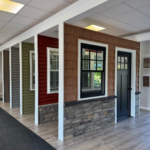
That kind of durability is exactly what a high-traffic back door needs. You can visit ProVia’s website to browse door styles, or stop by our showroom in Bainbridge to see installed examples in person.
What About the Glass Panel? Should I Keep a Window in My Door?
Whether to include glass in your replacement door is mostly a personal preference, but the style of glass you choose does affect price and insulation performance. A door with a half-lite or nine-lite grid pattern, like many standard back doors, is extremely common and very available.
The good news is that doors with partial glass panels are not dramatically more expensive than solid doors. The glass adds some complexity, but it is a very standard configuration and the price difference is usually modest.
If security or energy efficiency is a concern, you can opt for insulated glass or privacy glass in the same door style. Our team at Madison Window and Doors can walk you through the options based on which direction your door faces and how much direct weather it gets.
How Much Does It Cost to Replace an Exterior Back Door?
For a standard back door replacement with a steel door and partial glass panel, most homeowners can expect to pay around $3,000 installed, give or take a couple hundred dollars depending on the specifics. That price includes professional installation and a lifetime warranty on the door unit.
Variables that can push the price higher include:
- A non-standard or custom door size that requires extra framing work
- Significant rot or damage in the surrounding door frame that needs to be repaired before installation
- Upgraded hardware, finishes, or glass configurations
- Sidelites or transoms added to the opening
For a door that opens to a deck or porch in a standard rough opening, $3,000 installed is a reliable starting point. You are getting a product built to last decades, not just a few more years.
Does Someone Need to Be Home for a Door Estimate?
For door replacements, yes, we strongly prefer the homeowner to be present during the estimate. Unlike window replacements where measurements can sometimes be done from the exterior, doors involve more decisions that need to happen in person.
Hardware finishes, glass options, handle styles, and frame condition all need to be assessed together. Having the homeowner there means we can answer questions on the spot and make sure you are fully confident in what you are ordering before anything gets measured or quoted. It saves a second trip and keeps the whole process moving faster.
You can learn more about how we work and who handles your project on our about us page. We are a small team, and estimates are done by the same people who oversee your installation.
Frequently Asked Questions
How long does a steel exterior door last compared to a wood door?
A quality foam-filled steel door can last 30 years or more with minimal maintenance. Wood doors, especially in wet climates, typically show significant wear within 10 to 15 years and require regular painting or sealing to stay in good shape. Steel holds its shape better, resists moisture, and does not warp the way wood does through seasonal temperature swings.
My door has nine small windows in it. Is that style still available?
Yes, absolutely. The nine-lite grid pattern is one of the most common back door styles and is readily available in steel door lines like the ProVia Legacy. It is a standard configuration that does not require a custom order, which keeps lead times shorter and costs more predictable.
Can I get a door estimate if I am not home during the day?
We do our best to work around your schedule. Evening appointments after 4:30 PM are something we accommodate when our schedule allows. The more flexibility you can offer, the easier it is for us to find a time that works, especially during busy stretches when we are booking estimates two to three weeks out. Reach out to discuss timing and we will do what we can.
What is a prehung door and why does it rot faster than other options?
A prehung door comes already mounted in its own frame, which makes installation faster and easier. However, if the original installation did not include proper moisture protection at the base, or if the frame material was not moisture-resistant, the bottom of the unit becomes a collection point for water. Over time, that leads to rot in the door itself, the frame, or both.
If your back door is soft at the bottom, drafty, or just done, the fix is more straightforward than it might feel right now. A solid steel replacement door, properly installed, will outlast the next several owners of your home. Contact us to schedule an estimate with our team in Bainbridge, NY, and we will walk you through everything from door style to hardware before anything gets ordered.